
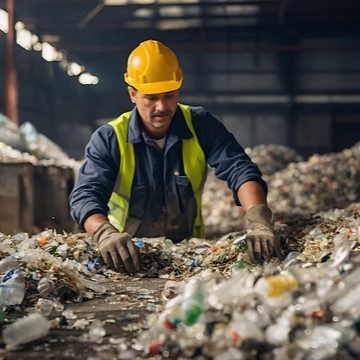
In today’s business landscape, Environmental, Social, and Governance (ESG) strategies are no longer optional—they’re a core measure of corporate responsibility. While many companies focus on lowering emissions and improving energy efficiency, one powerful yet often overlooked tool for achieving ESG goals is industrial waste management.
Handled strategically, industrial waste isn’t just something to get rid of—it can become a lever for resource recovery, risk reduction, and long-term sustainability alignment.
Understanding ESG in Action
Before we explore the role of waste in ESG, here’s a quick refresher:
-
Environmental: Impact on the planet—carbon emissions, waste, resource use, and biodiversity.
-
Social: Commitment to people—employees, communities, customers.
-
Governance: How the business is run—ethics, compliance, and transparency.
These three pillars are connected, and effective waste management supports all of them.
1. Reducing Environmental Impact
Smart industrial waste management directly improves environmental performance:
-
Recycling & Reuse: Industrial byproducts are repurposed, reducing landfill dependency and cutting demand for virgin materials.
-
Waste-to-Energy Solutions: Converting waste into energy lowers fossil fuel consumption.
-
Hazardous Waste Treatment: Prevents contamination of soil, water, and air while meeting regulatory requirements.
These practices lower emissions, conserve resources, and directly improve a company’s environmental ESG metrics.
2. Strengthening Social Responsibility
Poor waste management can endanger workers and communities. By prioritizing safe practices, businesses can:
-
Protect employee health and safety from harmful exposure.
-
Safeguard community well-being by preventing pollution and promoting environmental justice.
-
Build trust and transparency through open communication about sustainability efforts.
This reinforces a company’s role as a responsible corporate citizen—especially in industries with significant environmental impact.
3. Enhancing Governance Through Compliance and Accountability
Strong governance relies on systems that ensure compliance, ethics, and transparency. Waste management plays a vital role by:
-
Minimizing legal and financial risks through adherence to environmental laws.
-
Supporting accurate ESG reporting with measurable waste-reduction and recycling data.
-
Aligning with global sustainability standards for ethical operations.
Integrating waste metrics into ESG reports demonstrates real progress rather than vague commitments.
4. Transforming Waste into a Business Opportunity
Forward-thinking companies view industrial waste as a resource, not just a liability:
-
Recovering valuable materials for reuse.
-
Partnering with recycling innovators and circular economy leaders.
-
Adopting zero-waste strategies that reduce costs and generate new revenue streams.
This shift turns waste management into resource optimization, supporting both ESG goals and long-term profitability.
Conclusion: Smarter Waste, Stronger ESG
If your organization wants to take ESG commitments seriously, rethinking industrial waste management is essential. It’s not just about compliance—it’s a chance to reduce environmental impact, protect communities, and strengthen governance.
By aligning waste strategies with ESG principles, businesses can meet stakeholder expectations, boost resilience, and lead the way toward a more sustainable industrial future.