Industrial waste is often viewed as a costly problem—a byproduct of production that must be disposed of safely. However, modern waste management shows a different perspective: when handled wisely, industrial waste can be a valuable resource. By understanding its lifecycle, businesses can transform waste from a liability into an asset, helping achieve sustainability goals while creating economic value.
Stage 1: Generation and Segregation at the Source
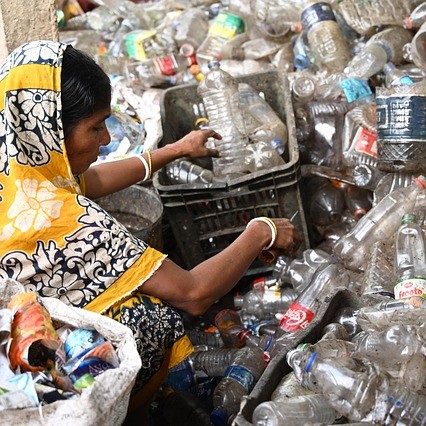
The process starts right at the production site where waste is created. Proper separation of waste—hazardous vs. non-hazardous, recyclable vs. non-recyclable—is essential. Early segregation makes processing and recycling easier, reduces contamination, and increases recovery efficiency.
Stage 2: Collection and Transportation
After segregation, the waste is collected and moved by certified waste management providers to treatment or recycling facilities. Safe, compliant transport is critical to prevent environmental harm and ensure proper tracking.
Stage 3: Sorting and Pre-Treatment
At the processing facility, waste is sorted further—manually, mechanically, or with automated systems—to separate valuable materials like metals, plastics, and paper from non-recyclable waste. Pre-treatment methods such as shredding, washing, or chemical neutralization prepare the waste for recycling or disposal.
Stage 4: Recycling and Recovery
The true value of industrial waste comes from recycling and recovery. Metals are melted and reused, plastics are turned into pellets for manufacturing, and organic waste can be converted into compost or bioenergy. Even hazardous waste can be treated to neutralize harmful elements, making disposal or reuse safer.
Stage 5: Disposal of Residual Waste
Any waste that cannot be recovered or recycled is disposed of safely, following environmental regulations to minimize harm and ensure compliance.
Conclusion
The process starts right at the production site where waste is created. Proper separation of waste—hazardous vs. non-hazardous, recyclable vs. non-recyclable—is essential. Early segregation makes processing and recycling easier, reduces contamination, and increases recovery efficiency.